The Story of our Brand
A key part of the Hortus Poeticus story, and one that has given us enormous pleasure, has been the work of identifying and articulating who we are. What kind of business did we want to create, and for whom? Where did our joy lie, and how might it be shared? These questions required time, testing, conversation and careful thought.
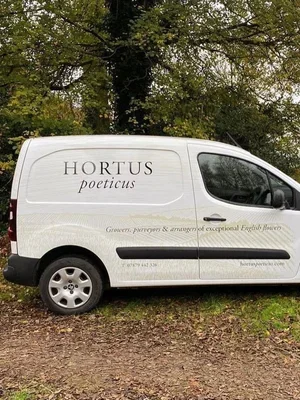
This is the story of how our brand came into being. It is also the story of our understanding that a brand isn’t something superficial cobbled together for marketing purposes, but a careful, precise articulation, in design, of who you are and how you wish to practice.
Getting started
We often get asked about our name, where it came from, and why. Some love it immediately; others find it something of a mouthful. Some enjoy rolling it around their tongue, others fear its pronunciation. None of these responses are unwarranted.
Long before the idea of growing flowers commercially had taken shape, I had always associated flowers and learning with Latin. Latin is the language of botany, an international lingua that allows plants to be identified and understood across borders and geographies. Learn the Latin name of a plant, and you gain accuracy, intimacy, and access; rely on common names, and things quickly become approximate. Though daunting at first, Latin soon becomes a familiar, even pleasurable, part of the quiet joy of knowing something well. And within the Latin lie wonderful stories: of form, habit, place, history or plant hunter. These layers of meaning add romance and depth to physical forms..
So a Latin name it would be.
Those who follow us will know that our relationship with flowers is both painterly and poetic. We respond instinctively to colour and form, but also to character and personality, qualities that naturally lead us into storytelling, into narrative, into a sense of something slightly other than the veryday. The name Hortus Poeticus emerged slowly but decisively, much like new growth breaking through the soil: the poetry of the garden. Once found, it felt inevitable.
Every story needs a language through which it can be told, in images, materials, words and design. We spent time exploring what mattered to us, working through questions of voice, tone, and intention. This process clarified an important point: while groundwork can be done alone, real expertise is needed to translate ideas into form.
When we began working with Laura Brown Studio, the process deepened. Through a series of conversations, prompts and provocations, we were encouraged to look harder at the why behind what we do — not just the aesthetic outcomes we wanted, but the values beneath them. It was stimulating, sometimes challenging, always rewarding.
Several key threads emerged. First, a desire for Hortus to remain firmly grounded in place, in land and landscape, soil and seasons, here in the South Downs, overlooking the ancient site of Old Winchester Hill. Second, a shared belief that flowers are not merely decorative objects, but living stems with presence and personality, deserving of care and respect. How we speak about flowers, and how we listen to them, mattered deeply to us and needed to be reflected in Hortus.
The painterly and the poetic were already part of our DNA: a love of detail, texture, colour, close observation and romance, alongside a long-standing immersion in art, decoration and visual culture. We also realised how much of ourselves inevitably comes along in brand-making, our histories, references, habits of looking and thinking. Language, too, was central: a love of words, and the profound pleasure of articulating ideas carefully and with precision.
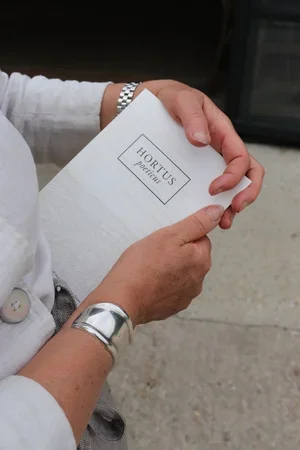
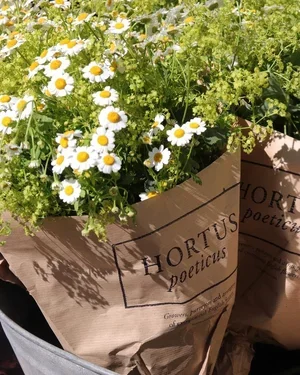
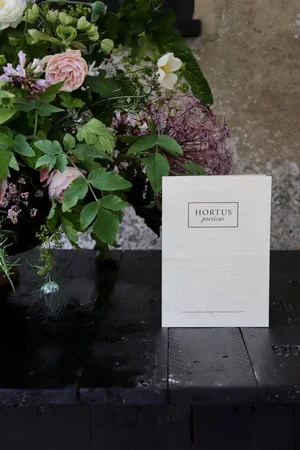
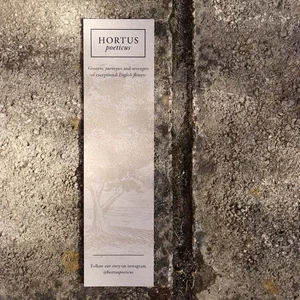
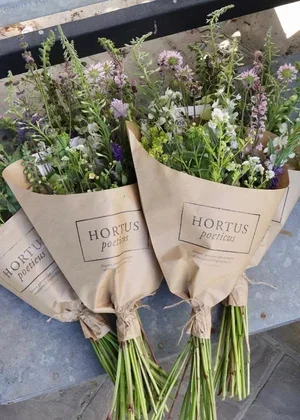
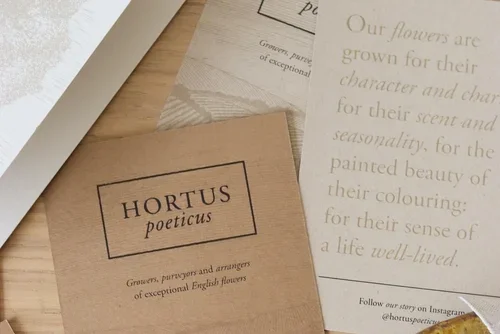
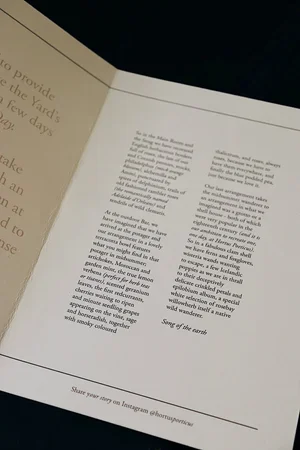
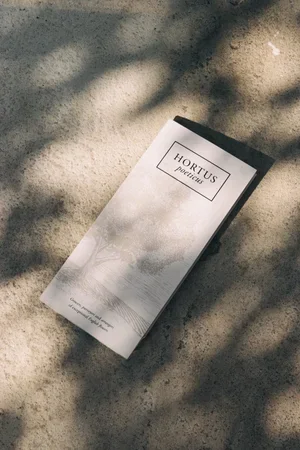
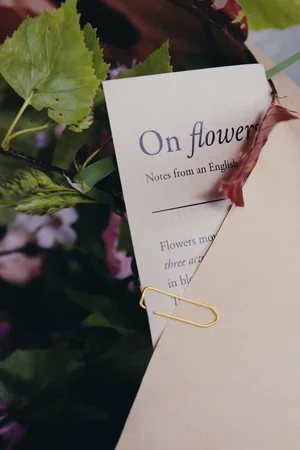
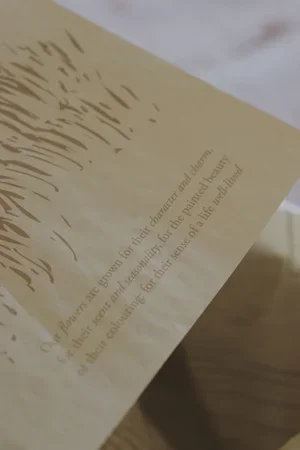
From there, the work took on physical form. Materials were chosen with care, paper, ink, card, wrapping, all selected to feel sympathetic to the ideas at the heart of HP, and as environmentally responsible as possible. Every element needed to feel coherent, considered, and honest.
When the final proposals were presented, we understood just how powerful thoughtful brand design can be — not as surface decoration, but as a distillation of values, place and intent.
What we learnt
– Choose the right moment to work seriously on your brand: not too early, when you don’t yet know yourself, and not so late that it becomes an afterthought.
– Give yourself time and space for genuine thinking before expecting visual answers.
– Find collaborators whose integrity, curiosity and clarity you trust — and who are willing to challenge you as well as listen.
– Make sure they are interested in helping you articulate your voice, not imposing theirs.
– Accept that good brand creation costs money — and that paying for depth, experience, and original thought is a wonderful, rewarding investment.
In the end, our brand became not something added on, but something revealed — an articulation of what had been there all along.